
Former Head of Revenue at BILL and HubSpot Americas leader Michelle Benfer recently joined us on a SaaStr Workshop Wednesday share her insights on one of the most critical roles in any SaaS organization: the frontline sales manager. Having led sales teams of 500+ at BILL and 800+ at HubSpot, Michelle has unique insights into what makes great frontline managers and why investing in them is crucial for sustainable growth.
Why Frontline Managers Are Mission-Critical
While companies often start each year with ambitious strategies and goals, it’s the tactics and execution that determine actual success.
“At HubSpot, I had over 100 frontline sales managers reporting to me. What’s great about high-volume sales at that scale is the pattern recognition,” Michelle shared. “Some teams consistently sold more enterprise SKUs, others had high volume but low ACV. The difference almost always came down to the frontline manager.”
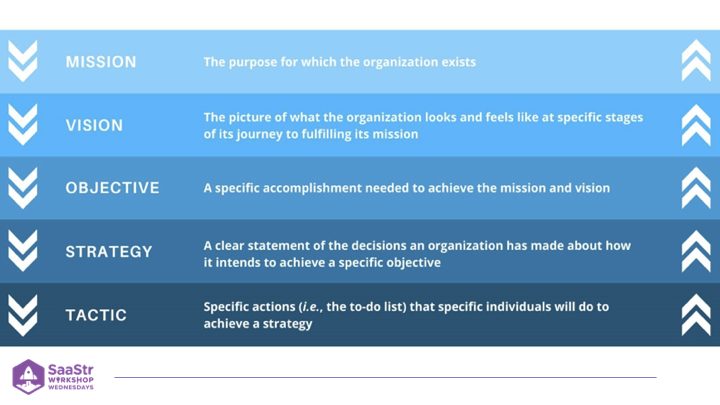
Frontline managers are the key link between sales strategy and execution, responsible for:
- Hiring and developing your next generation of top talent. Set clear goals to ensure that your frontline managers are executing properly in their interviewing and hiring cycles, and measuring the impact of their new hires every 6 months.
- Providing a direct pulse on customer and market sentiment. By proxy of overseeing a team of 7-10 sales reps, your frontline managers should have an acute pulse of the customer as well as the macroeconomic environment.
- Enabling and coaching reps on product positioning, systems, and ICP. Frontline managers will have acute awareness of what’s working and what’s not. They’ll be the first ones to tell you what’s working and what’s not on calls with prospective customers.
- Driving revenue through acquisition, expansion, and retention. Make sure that your frontline managers are in lockstep with product on how any new products or features work.
- Shaping and maintaining company culture. “Bad managers – you’ll read about it all over Glassdoor,” Michelle emphasized. “Having highly tenured reps tends to drive the highest performance, and good managers are key to retention.”
The Real Cost of Underinvesting in Manager Development
Michelle noted that during recent budget constraints, many companies (including her own teams) made the mistake of cutting back on frontline manager enablement. This creates several downstream impacts:
- Higher rep turnover and longer ramp times
- Inconsistent product positioning and go-to-market execution
- Missed revenue goals and declining team performance
- Deteriorating culture and employee satisfaction
“The impact of this is really sunk costs,” Michelle emphasized. “And please take this as a warning from me. I would say at various points when budgets were tight, the prioritization in my view was always enabling the reps, even if there was investment in evergreen content. If you are not investing in the managers to ensure that they can reinforce the product messaging, there can be a real gap there and it will be a hit to not just your revenue, but also to your overall investment strategy into your revenue team.”
Building World-Class Frontline Managers: The Framework

Michelle shared her framework for developing exceptional frontline managers:
1. Consistent Learning & Development
- Regular product and pitch certification. Implementing a framework and criteria for product and pitch certification with your frontline managers will ensure prospective customers better understand the solution they’re buying.
- Sales methodology reinforcement. Michelle recommends at least yearly training to keep your sales team up-to-date on the latest sales tactics.
- Effective team meetings and 1:1s. Michelle uses a framework from Mike Weinberg with her frontline sales managers called RPA — results pipeline activity. The reps go over this with their managers once a week. ”I think a lot of frontline sales managers, especially if it’s the first time they’re doing it, they struggle with being liked versus being effective,” Michelle warned. Having a framework for effective 1:1’s keeps everyone on track.

2. Robust Measurement
Effective measurements is really effective management.
- Percentage of reps at different attainment levels (>100%, 90-100%, etc.)
- Rep retention and ramp time metrics
- Manager participation in call reviews and coaching
- Team performance benchmarks across ACV, product mix, and sales cycles
- Forecast accuracy

“I’ll take a manager who consistently gets more reps above 100% over one crushing their number with just two top performers,” Michelle noted. “The latter is much higher risk.”
3. Culture & Team Identity
Best practice that Michelle has seen with her teams is to start a new year with everyone on the team under a manager together, defining what their team culture should be. What should your team identity be? Spend the time to talk about where how you want to operate together.

- Have teams define their culture and operating principles
- Celebrate examples of company values in action
- Create engaging team meetings that energize and align
- Foster psychological safety and transparent communication
Key Decisions: Internal vs External Hiring
On the eternal question of promoting from within versus external hiring, Michelle advises a balanced approach:
Internal promotions offer:
- Faster ramp time
- Stronger cultural alignment
- Visible career progression for the team
External hires bring:
- Fresh perspectives and new skills
- Experience from other organizations
- Less emotional baggage around existing challenges
The Ideal Manager-to-Rep Ratio
“The sweet spot is 7 reps to 1 manager,” Michelle shared. “That’s expensive, but optimal. Eight is more realistic, and nine starts to stretch things.”
However, the right ratio depends on factors like:
- Percentage of ramping reps
- Length of sales cycles
- Number of products
- Complexity of deals
- Quality of enablement resources
Key Takeaways for CEOs and Revenue Leaders
1. Make frontline manager development a consistent budget priority
2. Create clear success criteria beyond just hitting numbers
3. Implement regular measurement and feedback loops
4. Quantify the cost of getting manager development wrong
5. Balance internal promotion with strategic external hiring
“Bad managers impact 7-10 people directly,” Michelle emphasized. “The downstream effects on revenue, culture, and execution make investing in frontline managers one of the highest leverage activities for any SaaS company.”
The bottom line? While it’s tempting to focus primarily on rep enablement, don’t neglect your frontline managers. They’re the force multipliers who turn your strategy into results and build the foundation for sustainable growth.